Kyoto By Foot: The Fragrant Alleys of Artisans and Ceremonial Teas
Contents
“To experience Kyoto one must wake before the tour buses begin their relentless rumble. In the mist of 6:00 AM, the cedar latticework of machiyas sighs under the cool mountain draft.”
01. Dawn in the Loom Quarters of Nishijin
Walking through the Nishijin textile district as day breaks reveals the rhythm that sustained the imperial capital for a millennium. Through low, slatted wooden windows, the rhythmic clack-clack of Jacquard looms echoes down narrow cobblestone corridors. Here, elderly weavers operate machines using thread dyed with fermented persimmon and indigo.
There are no souvenir stalls here, only small hand-written wooden placards indicating family workshops where obi sashes are crafted over six months of uninterrupted concentration.
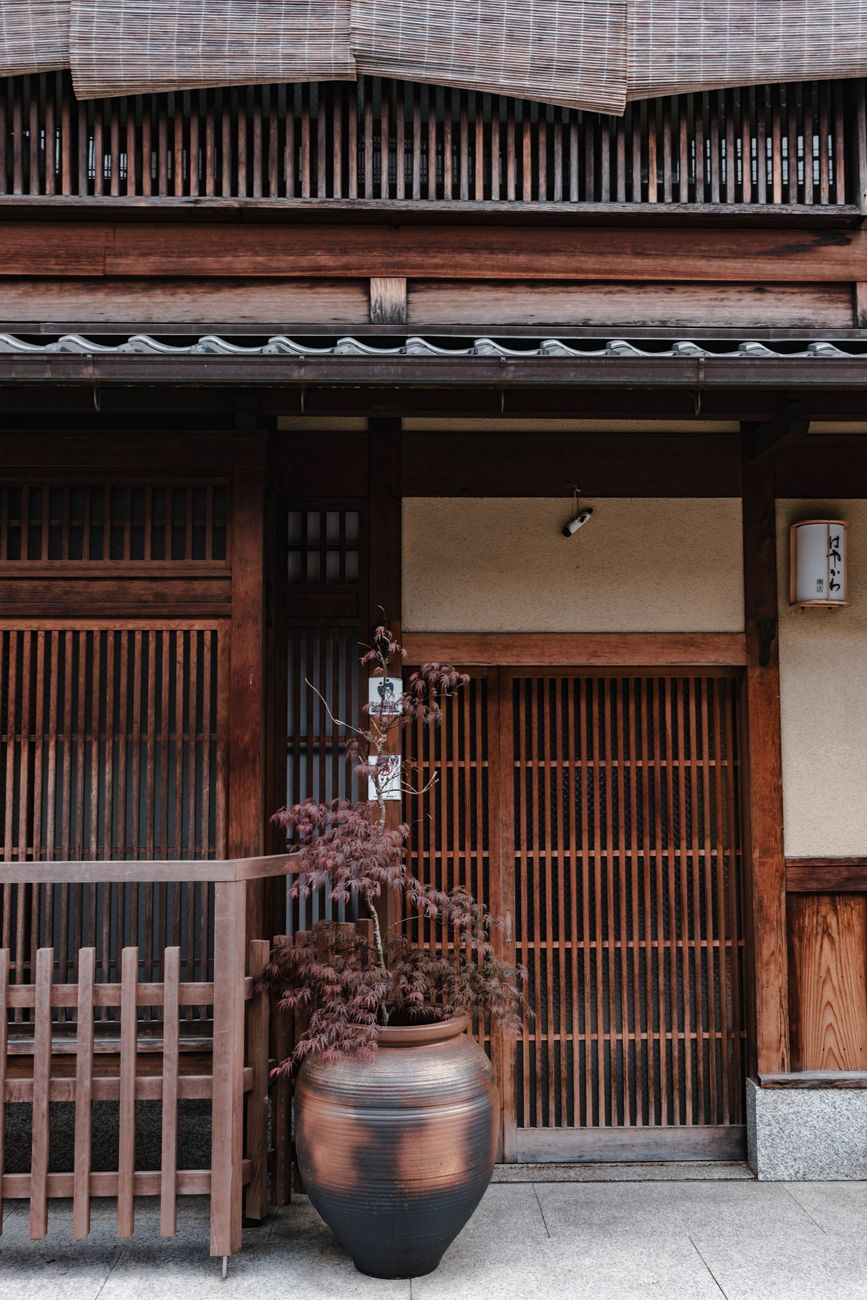
Machiya courtyard garden with wet river pebbles and miniature maple.
02. The Architecture of Tea: Bamboo, Mud & Charcoal
A ceremonial tea room is not an ostentatious ballroom; it is an exercise in intentional poverty. Measuring precisely four-and-a-half tatami mats, the tea pavilion at Daitoku-ji strips away all social rank. Guests must crawl through a tiny square entrance (nijiriguchi), forcing humility upon samurai and merchant alike.
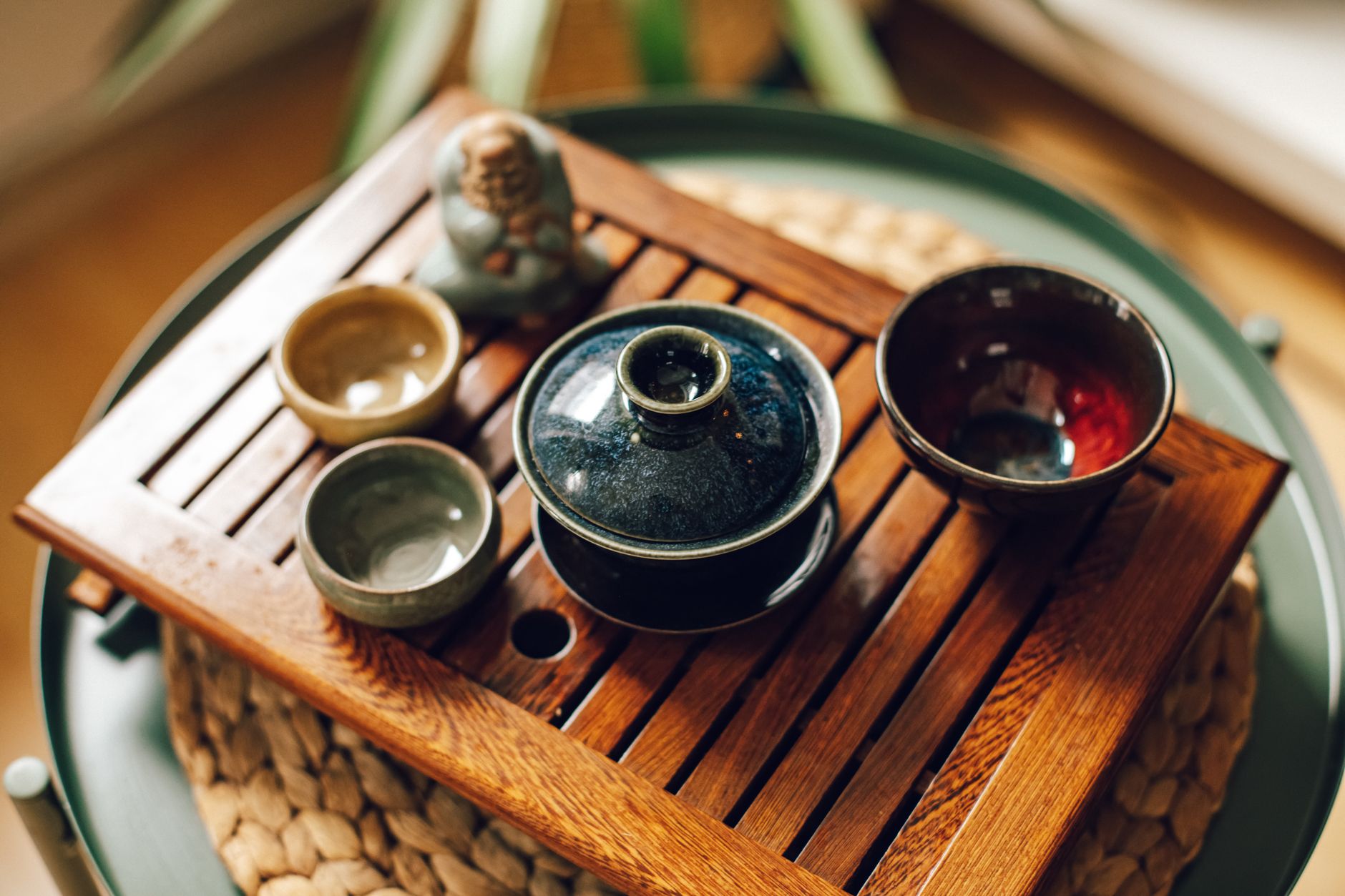
The walls are made from local clay mixed with crushed straw, revealing the natural passage of seasonal humidity. A solitary flower sits in an unglazed ceramic vase made by the Raku family—fifteenth-generation masters who extract glowing red clay vessels directly from charcoal kilns with iron tongs.
03. Three Secret Tea Houses Along the Northern Canal
When seeking a quiet cup of ceremonial grade Uji matcha, bypass the congested teahouses of Gion. Instead, walk north toward the foothills of Mount Hiei:
- Koto Teahouse: Concealed behind a cedar fence near Honen-in; specializes in shaded Gyokuro tea brewed with spring water drawn that dawn.
- Sugi Wooden Atelier: A combined woodwork gallery and tea room where visitors sit on raw zelkova tree stumps and observe the carving of tea scoops (chashaku).
- Chashitsu Muan: A three-mat sanctuary open only on weekend mornings with prior inquiry, overlooking an ancient moss carpet.
Commission a Private Japanese Travel Map
Our bilingual Tokyo and Kyoto contributors build tailored itineraries connecting travelers with master craftsmen.
Consult Our Asia Desk